Elevate Your Home With Expert Architecture Solutions
Improving a home through qualified architectural expertise involves more than just design. It calls for a deep understanding of functional design and local building codes. Engaging with an experienced architect can handle common challenges while enhancing property appreciation. The process is systematic and thorough, guaranteeing that every detail conforms with the homeowner's vision. Yet, many homeowners struggle to navigate this process efficiently. What steps can they take to guarantee a successful partnership?
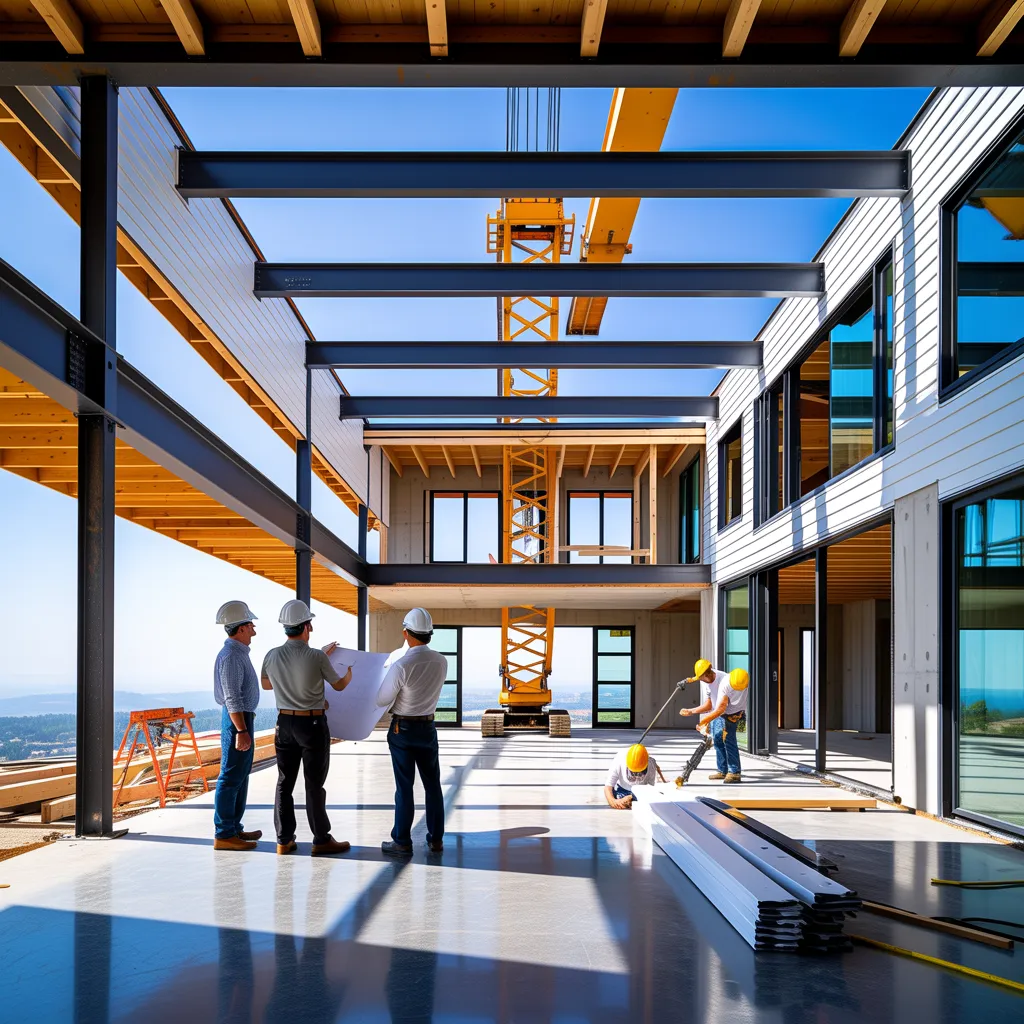
Standard Home Design Complications and Methods Architects Tackle Them
Why is home design so taxing for numerous homeowners? The difficulty of reconciling design preferences with practical needs often exhausts them. Homeowners regularly deal with spatial constraints, financial constraints, and compliance requirements, making the design process difficult. Additionally, many lack the specialized skills required to manage building considerations and building codes.
Architects constitute an important role in easing these difficulties. Their expertise enables them to handle the subtleties of design, confirming that a homeowner's goal harmonizes with actual circumstances. Architects can present groundbreaking strategies to enhance space while respecting health regulations. They also participate in forming integrated designs that express the homeowner's taste. By imparting perspectives into materials and construction techniques, architects support accelerate the choice-making stage. Ultimately, their proficiency translates a seemingly overwhelming task into a joint process, encouraging a well-balanced balance between originality and applicability in check article residential design.
Reasons to Work With a Professional Architect
Engaging a trained specialist enhances the home design experience by joining technical expertise with the homeowner's vision. Architects deliver a rich background in design methodologies, regulatory requirements, and eco-conscious methods, making sure that the project not only fulfills aesthetic goals but also follows legal requirements. Their ability to visualize and communicate complex ideas assists converting theoretical notions into physical designs.
Furthermore, architects can offer creative approaches to design obstacles, improving layout and functionality. They also manage the complexities of the construction process, collaborating with contractors and suppliers to ensure timelines and budgets are adhered to. This expert supervision minimizes possible mistakes and decreases the pressure linked to home construction or remodeling. Ultimately, collaborating with an architect results in a well-designed, cohesive space that embodies the homeowner's personality while boosting overall property value.
What Are the Essential Stages in the Design Process?
Why is understanding the architectural process important from initial idea to end? The experience starts with an initial consultation, where the architect and customer review objectives, needs, and financial considerations. This phase is fundamental for establishing a solid direction. Next, the designer executes site analysis, evaluating variables like terrain, climate, and zoning requirements.
Subsequently, the design phase commences. At this stage, sketches and digital models are produced, enabling the client to visualize the project. Once the design is established, the architect drafts detailed construction documents, listing specifications and drawings.
Once required permits are secured, the project moves into the building stage. The architect often works with contractors to guarantee that the plan is executed correctly. Regular on-site inspections and evaluations help maintain standards and adherence to the initial vision. Finally, the project concludes in a walkthrough, verifying that the completed structure satisfies the client's requirements before the official handover.
How Do You Find the Perfect Architect for Your Home?
Locating the ideal architect for a residence involves careful evaluation and investigation. Potential property buyers should begin by establishing their particular needs and budget, which will direct their hunt. Suggestions from acquaintances, family, or property experts can provide useful leads. Internet portfolios and testimonials help in assessing an architect's previous projects and customer satisfaction.
Next, potential clients should interview several prospects to measure their communication style, experience, and approach to design. It's essential to discuss timelines and project expectations to guarantee alignment. In addition, verifying qualifications and checking for relevant licenses and certifications can prevent future complications.
Ultimately, property owners should listen to their intuition. The ideal architect should not only display the essential skills but also align with the homeowner's aspirations and values. This partnership creates a collaborative environment, ultimately generating a successful partnership in developing a dream home.
Strategies for Conveying Your Vision Clearly
Expressing a vision for house design effectively is important for a strong relationship between residents and architects. To accomplish this, residents should start by clearly determining their needs and inclinations. Developing a visual guide with images, tones, and substances can help expressing aesthetic wants. Additionally, specifying functional needs, such as room size and layout, confirms that the architect understands tangible factors.
Property owners should also engage in open dialogue, encouraging questions and feedback to refine their vision. Regular check-ins throughout the planning phase encourage teamwork and openness. Using straightforward language to convey thoughts and worries can prevent confusion and help match goals.
In conclusion, staying open to the architect's skills permits a more dynamic exchange of ideas. By blending personal vision with professional insight, homeowners can build a collaborative connection that produces a beautifully designed space expressing their aspirations.
Tips for Budgeting Architecture Services
As you start a home design project, establishing a budget for architecture services is critical to prevent financial strain later. Homeowners should begin by exploring typical fees in their area, which can vary based on the project's complexity and the architect's experience. It is sensible to allocate a percentage of the overall project cost specifically for architectural services, typically ranging from 5% to 15%.
Next, interested customers should determine the scope of services called for—whether they desire full design and project coordination or only initial consultations. Fostering transparent dialogue with prospective design experts concerning their payment structures can deliver clarity on financial outlay.
Additionally, property owners should consider potential revisions and unexpected expenses, creating a financial cushion in their budget. By clearly defining their financial parameters upfront, clients can ensure they select an design professional who matches their goals while remaining within their financial boundaries.
Regularly Inquired Topics
What Styles of Architectural Can Be Accessible for My Home?
Homeowners may select from diverse building designs, including modern, traditional, colonial, Mediterranean, and contemporary. Each style delivers distinctive aesthetics and performance, allowing individuals to express personal preference while considering regional influences and environmental factors.
What Time Period Does the Architectural Process Typically Take?
The design process typically demands several months, determined by scope complexity, approval requirements, and local regulations. Factors such as stakeholder input and construction schedules can also shape the timeline substantially throughout the process.
Can Architects Help With Eco-friendly Building Options?
Architects can certainly help with sustainable design options. They integrate sustainable materials, efficient energy systems, and creative floor plans, ensuring projects reduce environmental impact while enhancing functionality and aesthetic appeal, aligning with clients' sustainability goals successfully.
Which Skills Should I Look for in an Architect?
When engaging an architect, one should examine their qualifications, accreditation, involvement in related assignments, selection of projects highlighting their design sensibility, and grasp of local compliance standards. Communication skills and feedback from previous clients also become crucial in the decision-making process.
In What Manner Do Design Experts Navigate Zoning and Permit Questions?
Architects handle regulatory challenges by conducting thorough research on regional requirements, preparing necessary documentation, and communicating to municipal authorities. Their expertise ensures adherence, expediting the approval process for client projects efficiently.